The Menu on Your Phone: How QR Codes Stuck Around in European and UK Restaurants
The Menu on Your Phone: How QR Codes Stuck Around in European and UK Restaurants
Five years ago, we scanned the QR code on the table because we had no other choice. Today it’s no longer a precaution but a habit. A habit, though, that has taken root very differently from one country to the next.
Digital menus existed long before 2020, but it was Covid that made them mainstream. Restaurants had to clear their tables of anything passed from hand to hand, and laminated menus were the first to go. Many expected paper to make a comeback once restrictions lifted. In the end, it only partly did.
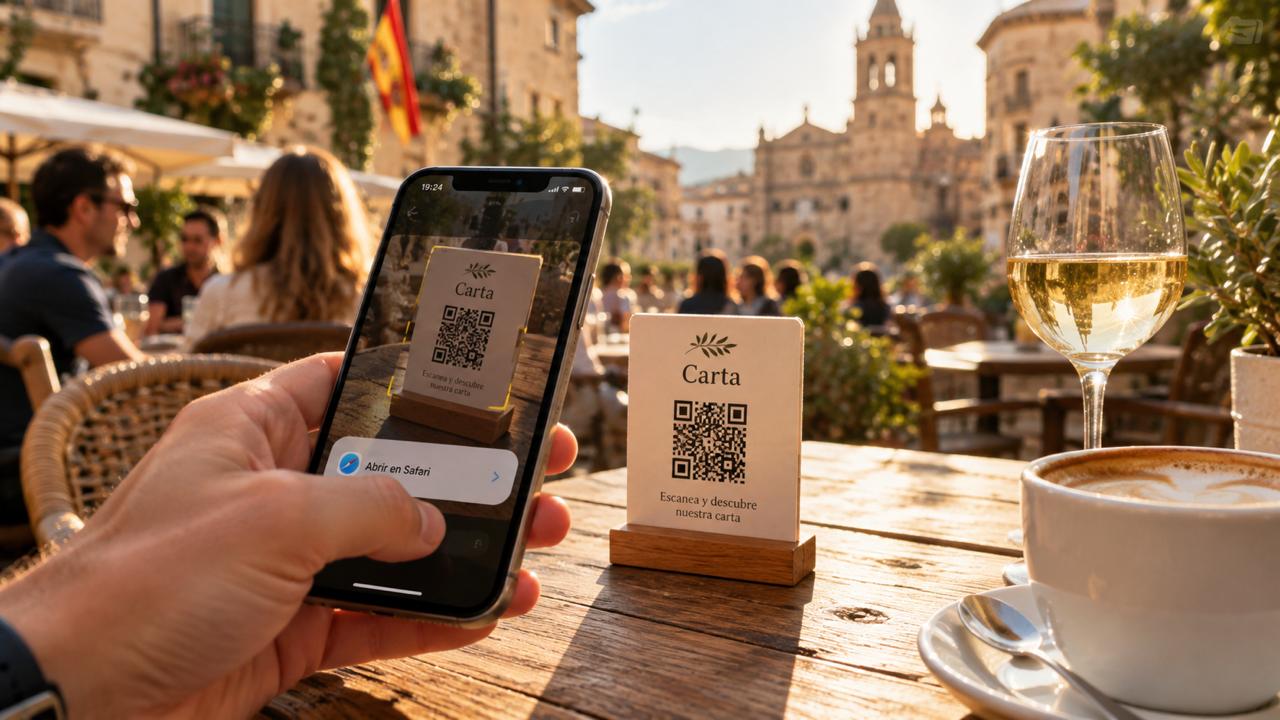
Digital menus have taken the strongest hold where tourists are most common. In Spain, Italy, Portugal and Greece, industry estimates suggest that between two-thirds and three-quarters of restaurants now use QR menus. The reason is simple. If a beach bar on the Costa Brava serves Germans, Brits, French and Dutch guests in a single evening, printing a menu in four languages is costly and impractical. A digital menu switches language with a single tap.
Scandinavia has gone even further. There, guests often don’t just browse the menu on their phone — they place their order directly, and it goes straight to the kitchen. The waiter doesn’t disappear, but spends more time actually looking after guests and less time running back and forth with a notepad.
Germany, France and the Netherlands are moving more slowly: according to the same estimates, around 55–65% of venues there offer a digital menu. A fondness for traditional service and caution about personal data both play a part.
The UK is the most intriguing case. Technically, the country is more than ready: almost everyone has a smartphone, and contactless payment has been the norm for years. Yet in an independent Lightspeed survey, 85% of Brits in casual restaurants and 93% in fine dining said they’d rather hold a real menu. More than a third of diners ask for a paper version outright when a server offers them a QR code.
Meanwhile, tech providers quote very different figures and say younger diners actually prefer their phones. Both sides are probably right. It all depends on the type of venue: nobody misses paper in a pub or a coffee shop, but at a tasting-menu dinner, people want the ritual. That’s why more and more British restaurateurs are going hybrid: a code on the table, plus a couple of nicely designed paper menus for anyone who asks.
Digital menus bring some clear practical benefits:
- Prices and sold-out dishes update in seconds. If a dish runs out or ingredient costs go up, there’s nothing to reprint.
- Allergen information is always at hand. EU and UK rules require restaurants to declare the 14 major allergens. On a digital menu they’re easy to flag, and guests can filter dishes themselves.
- Photos sell better than words. A mouth-watering picture of a dessert often works better than a waiter’s recommendation.
- Less paper. For venues mindful of their environmental footprint, that counts too.
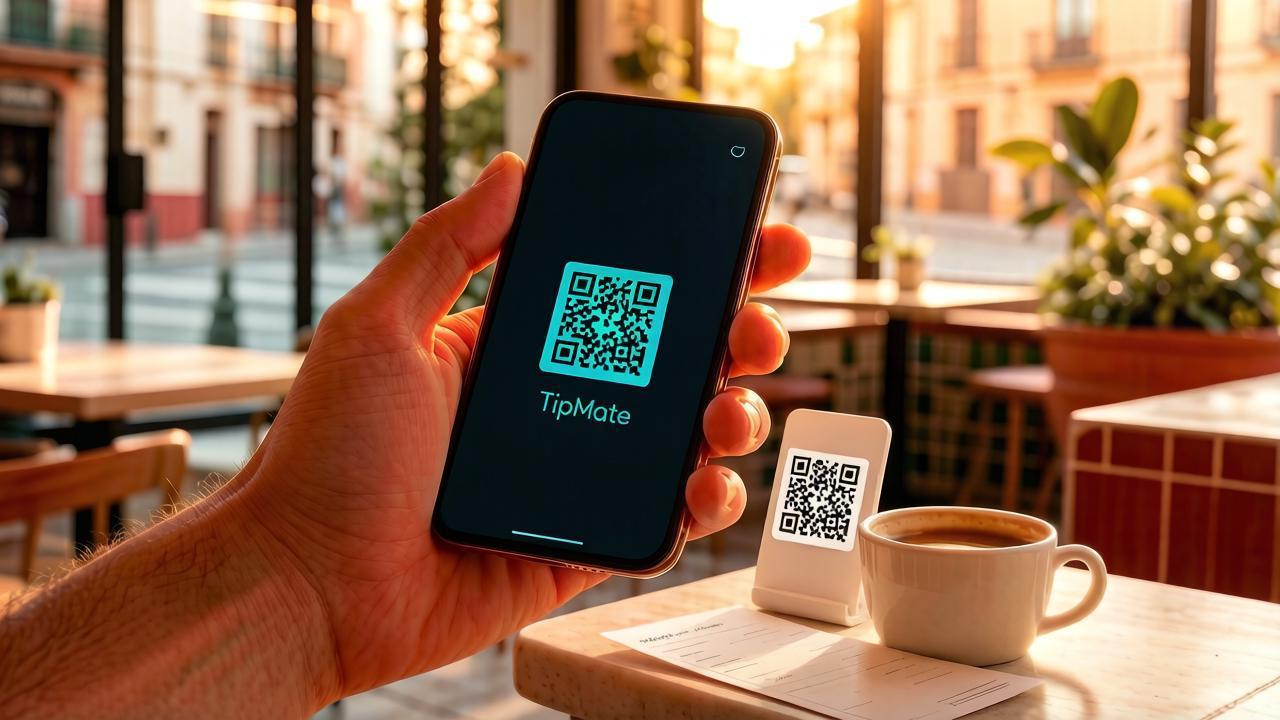
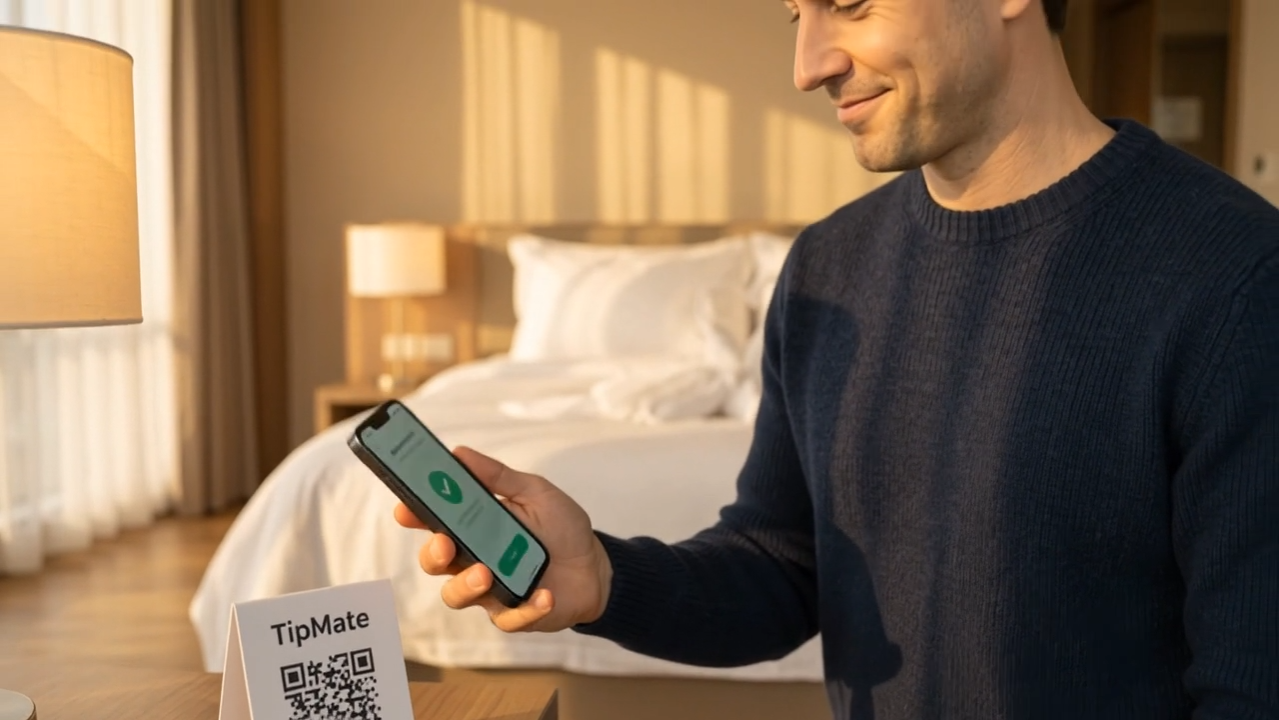
The digital menu is gradually ceasing to be a standalone feature and becoming part of the whole experience at the table. Scan the code, choose your dishes, order, and at the end pay the bill and leave a review without waiting for the waiter. That’s where Europe’s most advanced markets are heading now.
But the British experience is a useful reminder: technology should support hospitality, not replace it. It works best when guests get to choose what to pick up — their phone or the menu.