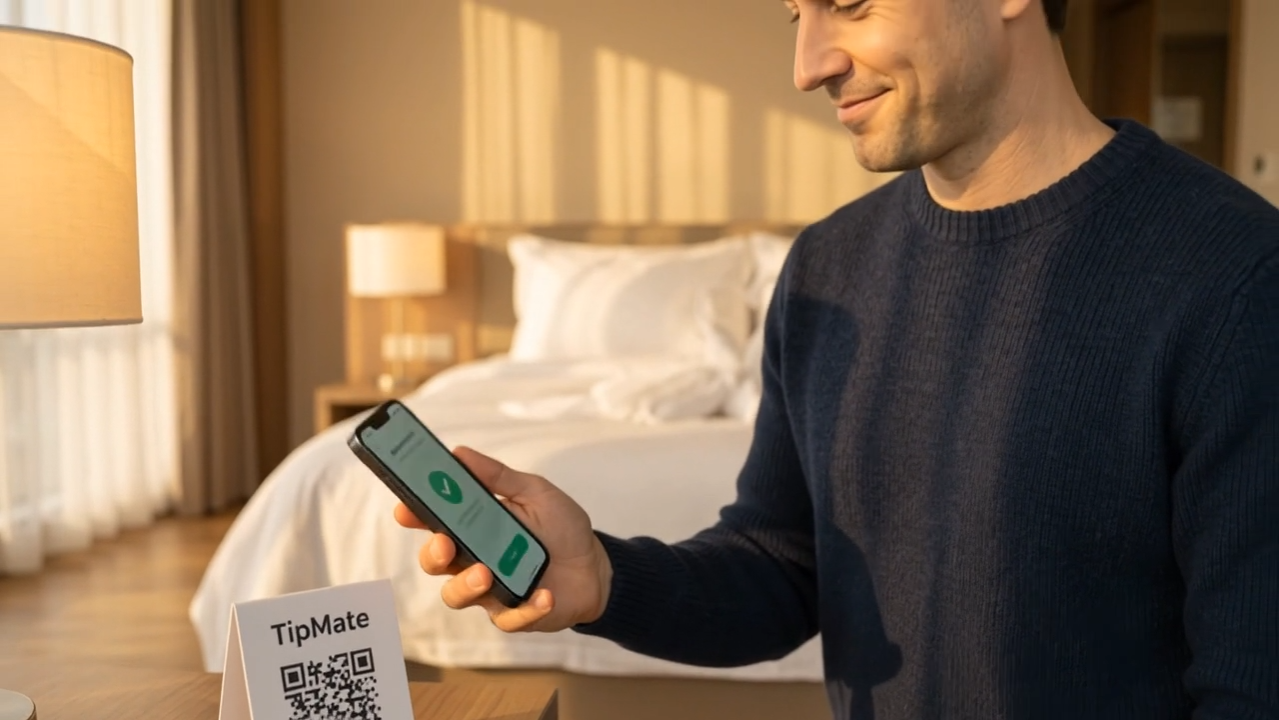
From tip-as-exception to tip-as-habit: what's changing in Spain
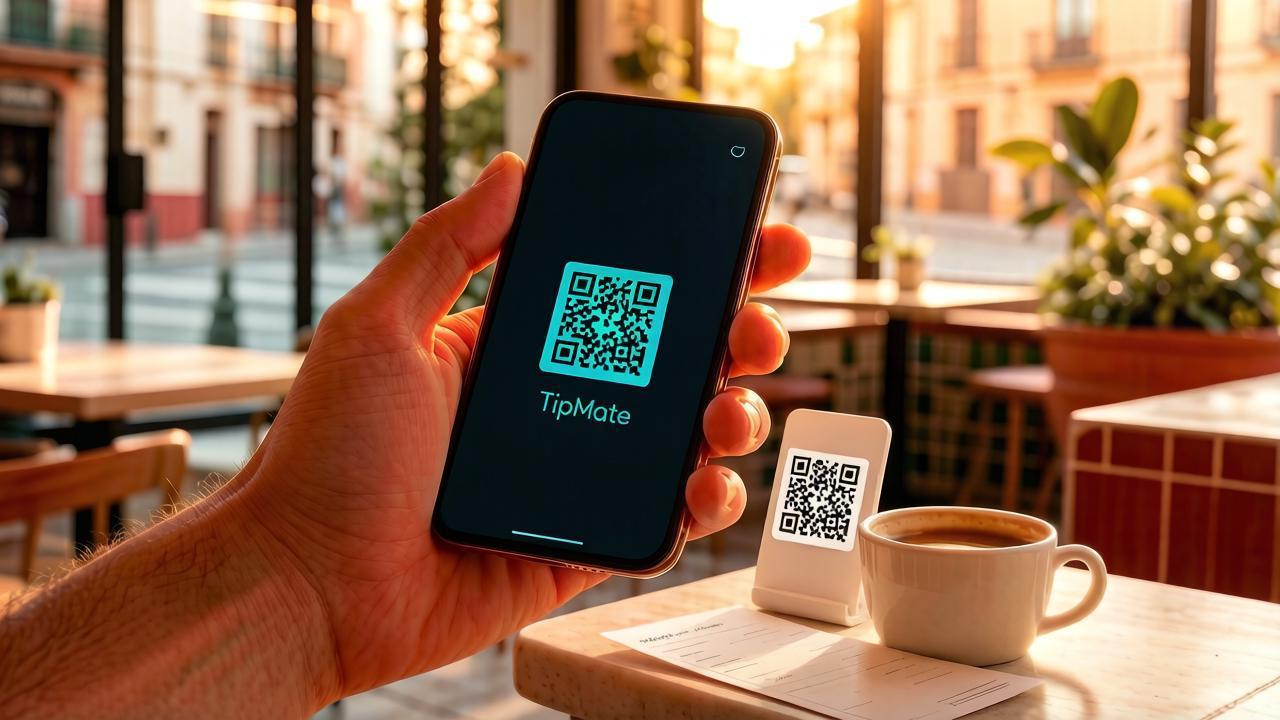
In any other country, a waiter waits silently for the tip. In Spain, he almost apologizes if the bill mentions it.
The starting point: tip as exception, not rule
Spain has long been a country where the tip is a gesture, not an expectation. According to the latest TheFork Lab survey (August 2026, over 4,500 respondents), only one in four Spaniards (25%) always leaves a tip when eating out. 15% never do. The remaining 58% decide based on the situation. Moreover, 77% of respondents admitted they would rather abolish the practice entirely. Only 22% want to keep it as is, and just 1% want to increase it.
Why it has been this way
The main reason (61% of respondents) is the conviction that the service cost is already included in the bill. Another 19% believe waiting staff already earn a decent salary under the sectoral agreement. This is no coincidence: unlike the United States, where tips historically compensate for low minimum wages, Spain operates a system of collective agreement rates — a waiter's income does not depend on the customer's generosity. Here, the tip has always been a gesture of gratitude, not part of the salary.
First signal of change: the problem is acknowledged at official level
Back in 2022, the Community of Madrid launched a public campaign, "Yo dejo propina" (I leave a tip), openly acknowledging that the shift to cashless payments had led many to stop leaving coins for waiters. The campaign sparked debate (critics pointed out that tips do not replace a decent wage), but the fact that the issue reached the level of institutional communication shows that the disappearance of tips due to digital payment is recognized as a sector-wide problem, not just a waiters' one.
Second signal: a barrier that can be removed
The TheFork Lab survey revealed a specific technical cause for the reluctance to tip: 20% of Spaniards admit that paying by card physically prevents them from leaving a tip. No coins in the pocket, no gesture. And the card trend is only strengthening: according to the Bank of Spain, in the first quarter of 2026, the number of card payments at checkout grew by 7.19% year-on-year, while cash withdrawals from ATMs fell by 7.66%. Spain as a whole has not yet fully abandoned cash (57% still cite it as their main payment method in surveys), but the trend in restaurants and bars is clearly shifting toward card and phone.
This is an important shift in the very nature of the problem: the barrier stops being cultural and becomes technical — and technical barriers are removable.
Third signal: who sits at the table is changing
According to INE, in the first quarter of 2026, foreign tourists exceeded domestic tourists in Spain for the first time in history. The average tourist spends €214 per day (EGATUR, May 2026) — and often comes from a country where tipping is seen as the norm, not the exception. This gradually normalizes the practice from within: the more guests expect to be able to leave a tip, the more natural that option becomes both for local staff and for the venues themselves.
What this means for the industry
Three signals point in the same direction: the cultural habit is not changing because Spaniards have suddenly started to love tips, but because the barrier that kept that habit in place — the inconvenience of payment — is gradually disappearing. Venues that already offer a simple way to leave a tip using the same phone that paid the bill are removing the last real obstacle — and gaining the benefit of the trend years ahead of their competitors.
Sources:
TheFork Lab (survey, August 2026), via Infobae. Bank of Spain, payment statistics, Q1 2026. INE, Statistics of Tourist Movements at Borders (FRONTUR) and Tourist Expenditure Survey (EGATUR), 2026. "Yo dejo propina" campaign, Community of Madrid (2022).