Tipping in Spain and the UK: two approaches and their influence on staff motivation
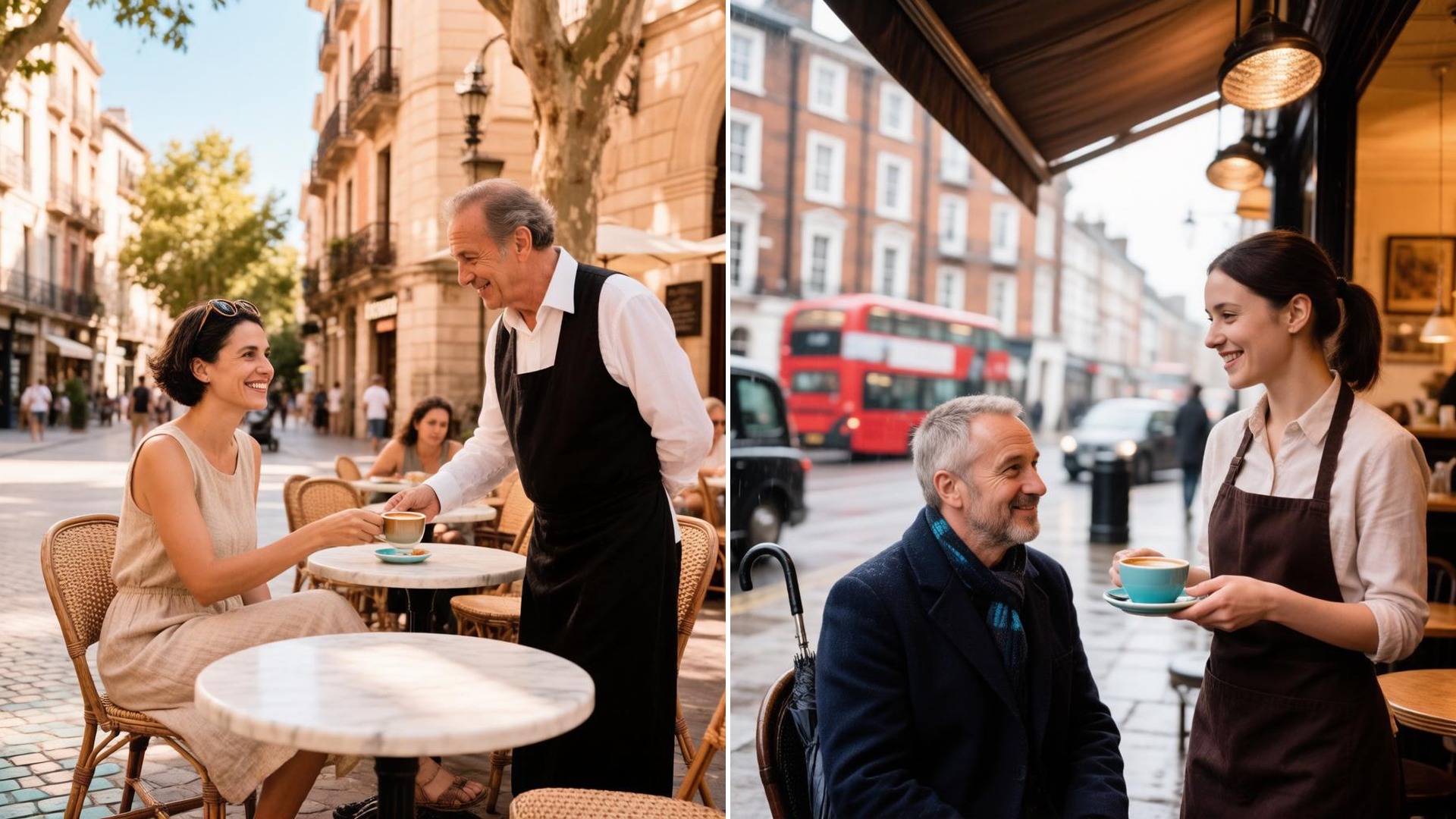
In January 2026, the United Kingdom was Spain's largest source market for tourists: 897,000 of the 5.1 million international visitors. So the two tipping approaches often meet at the same table.
Spain: a voluntary gesture, with no law behind it
Spain has no specific law on tipping. According to the consumer organisation OCU, a venue may suggest a tip but may not add it to the bill automatically; the industry also stresses that tips are not part of wages. In a TheFork Lab survey of more than 4,500 diners, 25% always leave a tip, 15% never do, and the rest decide case by case. Amounts tend to be modest: 63% of those who tip leave less than 5% of the bill and only 2% leave more than 10%. Just 5% tip out of habit; what usually decides is the experience at the venue.
United Kingdom: tips protected by law
In the UK, the service charge in restaurants is typically 12.5%. Since 1 October 2024, employers must pass tips and service charge on to staff in full, allocate them fairly and transparently, and keep a written policy. The next step is already set: under the 2025 legislation, employers will have to consult workers when introducing a tipping policy, and the government plans to bring the changes in by the end of 2026. For some low-paid hospitality workers, tips are an important source of income, although they do not count towards the minimum wage.
Tips and motivation: what we know and what we don't
Conditions for staff differ. In Spain tips are usually modest and not guaranteed. In the UK, the service charge and a benchmark of around 10% create a visible income top-up that staff are aware of. It is reasonable to assume that the link between service and income is felt more strongly there, but there is no direct comparative data on staff motivation in the two countries, so this is a hypothesis, not a fact.
What the research says: a Cornell University meta-analysis (14 studies, 2,645 dining parties) found that tips rise with perceived service quality, but the relationship is weak; its authors advise against relying on tips alone to motivate staff. A qualitative study adds a nuance: tips can motivate those who receive them and demotivate those who do not, so a fair sharing system is needed. And beyond tips, job satisfaction in service professions is linked to lower turnover, while high turnover hurts service quality.
The takeaway for businesses: the chance to leave a tip works as direct feedback and as extra income, but it works best combined with transparent sharing, training and recognition.
What the option to leave a tip brings
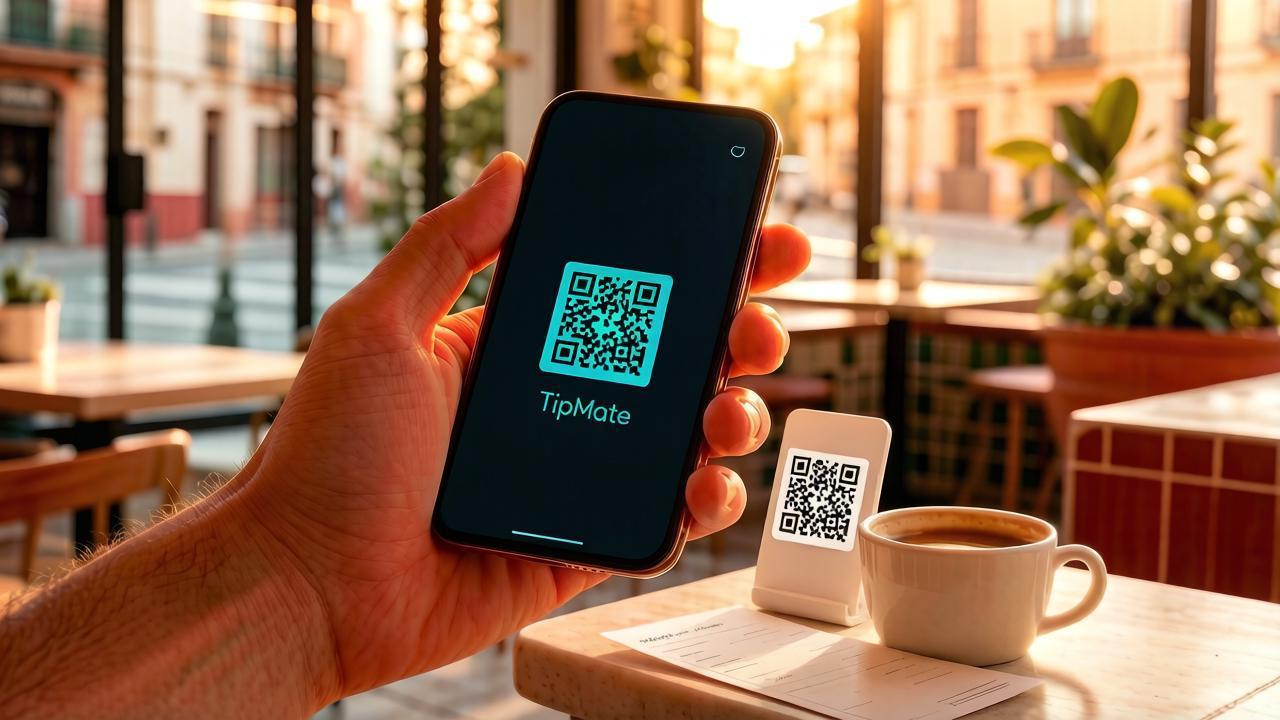
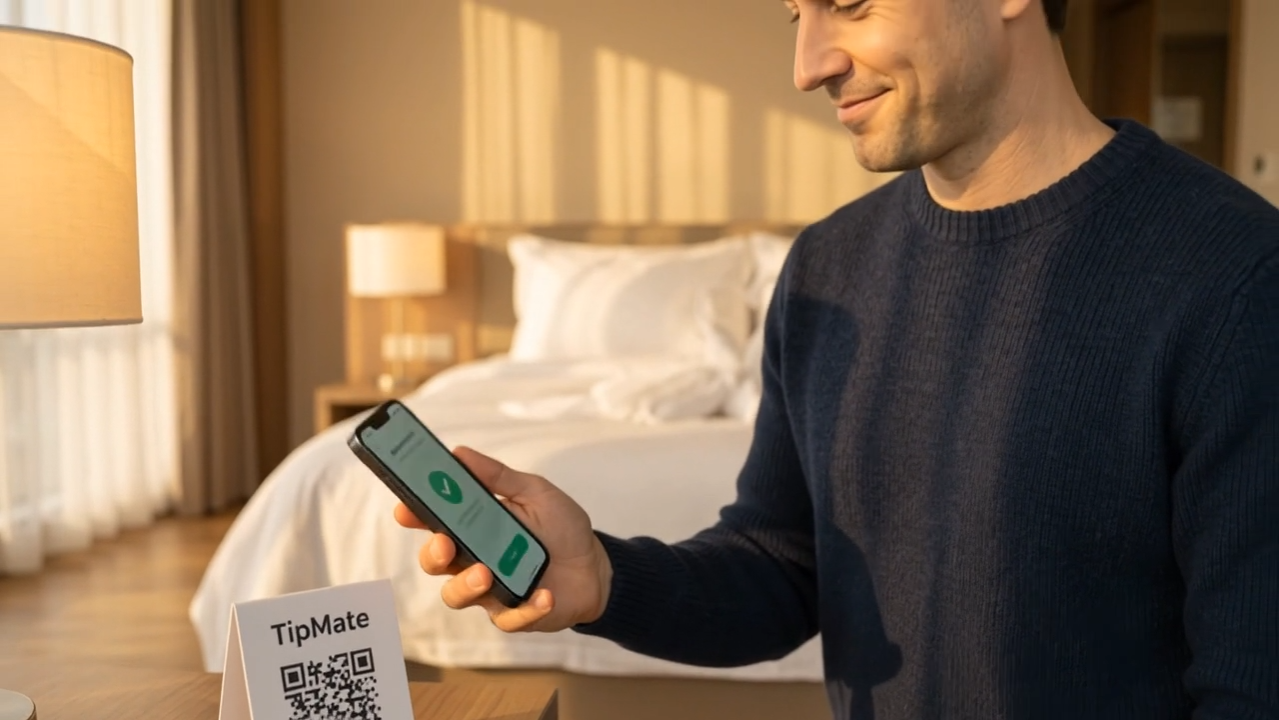
To the guest: the ability to say thank you in the same way they pay. In Spain, 20% of those who don't tip say paying by card makes it harder; in the UK, electronic tipping (apps, links, QR codes, terminals) is becoming more common.
To staff: income they can influence through the quality of their service, and a visible reaction from customers.
To the business: trust through transparency and the absence of pressure. 60% of Spaniards consider it inappropriate for the restaurant itself to suggest the amount. Offering the option and forcing a choice between 10, 15 and 20% on a screen are two different things.
Conclusion
In both countries tipping remains voluntary, but its value is not created by the amount; it comes from a convenient, transparent and fair option, without pressure. It helps the guest say thank you and helps staff see the link between their work and their income.
Sources: INE (FRONTUR, January 2026); OCU via La Voz de Ibiza; Euro Weekly News; TheFork Lab via Infobae and InfoHoreca; Hostelería de España via EFE; UK Employment & Pensions Hub; Visit London; LITRG; M. Lynn, Cornell (Restaurant Tipping and Service Quality: A Tenuous Relationship and later meta-analysis); African Journal of Hospitality, Tourism and Leisure (2014); Discover Sustainability (Springer Nature, 2026).